Français
 Deutsch
 Pусский









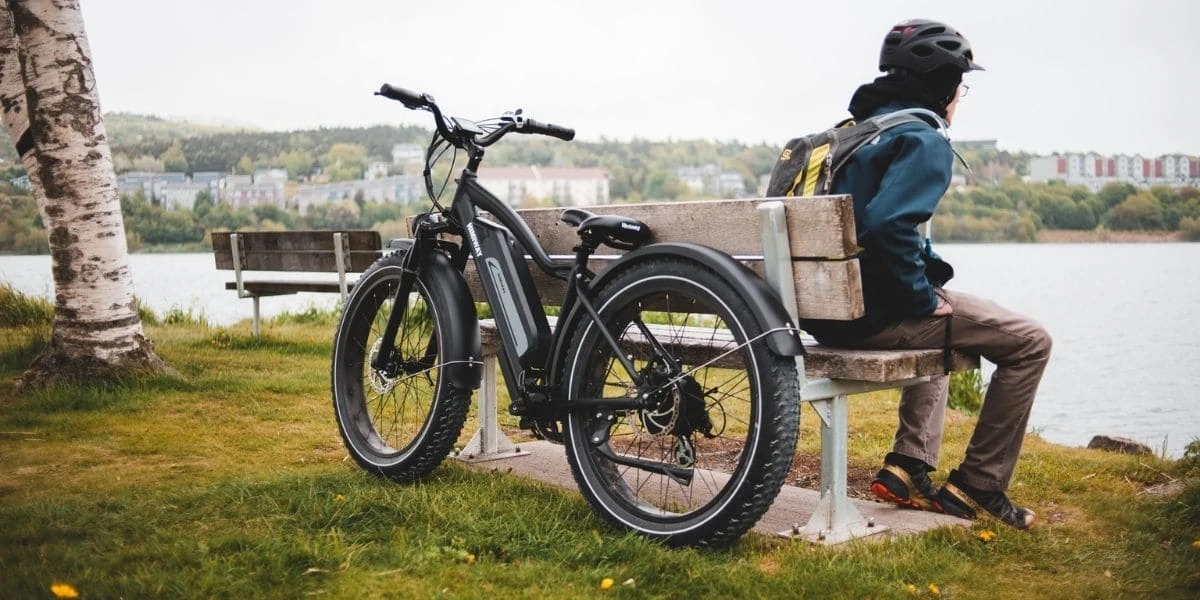
Electric bikes, or e-bikes, work by combining the traditional mechanics of a bicycle with an electric motor and a battery. The electric motor provides assistance to the rider’s pedaling efforts, making cycling easier and more accessible. Here’s a basic overview of how electric bikes work:
- Frame and Pedals:
- An electric bike typically has a frame similar to that of a traditional bicycle. It includes components such as pedals, a chain, gears, and a drivetrain, allowing the rider to pedal and propel the bike forward manually.
- Electric Motor:
- The electric motor is a key component of an e-bike. There are two main types of electric bike motors: hub motors and mid-drive motors.
- Hub Motors: These motors are located in either the front or rear wheel hub. They provide direct assistance to the wheel, turning it and propelling the bike forward.
- Mid-Drive Motors: Positioned near the bike’s bottom bracket (where the pedal cranks are attached), mid-drive motors directly assist the bike’s drivetrain, providing power to the chain and gears.
- The electric motor is a key component of an e-bike. There are two main types of electric bike motors: hub motors and mid-drive motors.
- Battery:
- The battery is the energy source for the electric motor. It is usually mounted on the frame, often in a location such as the downtube, rear rack, or integrated into the bike’s design. E-bike batteries are rechargeable and can be removed for charging or charged while still attached to the bike.
- Controller:
- The controller is an electronic component that manages the flow of electric power from the battery to the motor. It interprets signals from the rider (such as pedal-assist level or throttle input) and adjusts the motor’s power output accordingly.
- Pedal-Assist System:
- Most e-bikes feature a pedal-assist system (PAS) that detects when the rider is pedaling and provides assistance based on the selected power level. PAS systems are designed to amplify the rider’s efforts, making it easier to pedal and providing varying levels of assistance.
- Throttle (Optional):
- Some e-bikes come equipped with a throttle, allowing the rider to control the motor’s power directly without pedaling. Throttles are typically found on e-bikes designed for cruising or those with a more scooter-like setup.
- Display Panel:
- E-bikes often have a display panel on the handlebars that shows information such as speed, battery level, power mode, and distance traveled. Riders can use the display to adjust settings and monitor the bike’s performance.
- Regenerative Braking (Optional):
- Some e-bikes feature regenerative braking, where the motor acts as a generator during braking or descending hills. This generates electricity and returns some energy to the battery, potentially extending the bike’s range.
Overall, electric bikes work by seamlessly integrating electric power with traditional pedaling, providing riders with the flexibility to choose between manual pedaling, pedal-assisted riding, or using the electric motor alone. The combination of human power and electric assistance makes e-bikes a versatile and environmentally friendly mode of transportation.