How Do Electric Bikes Work?

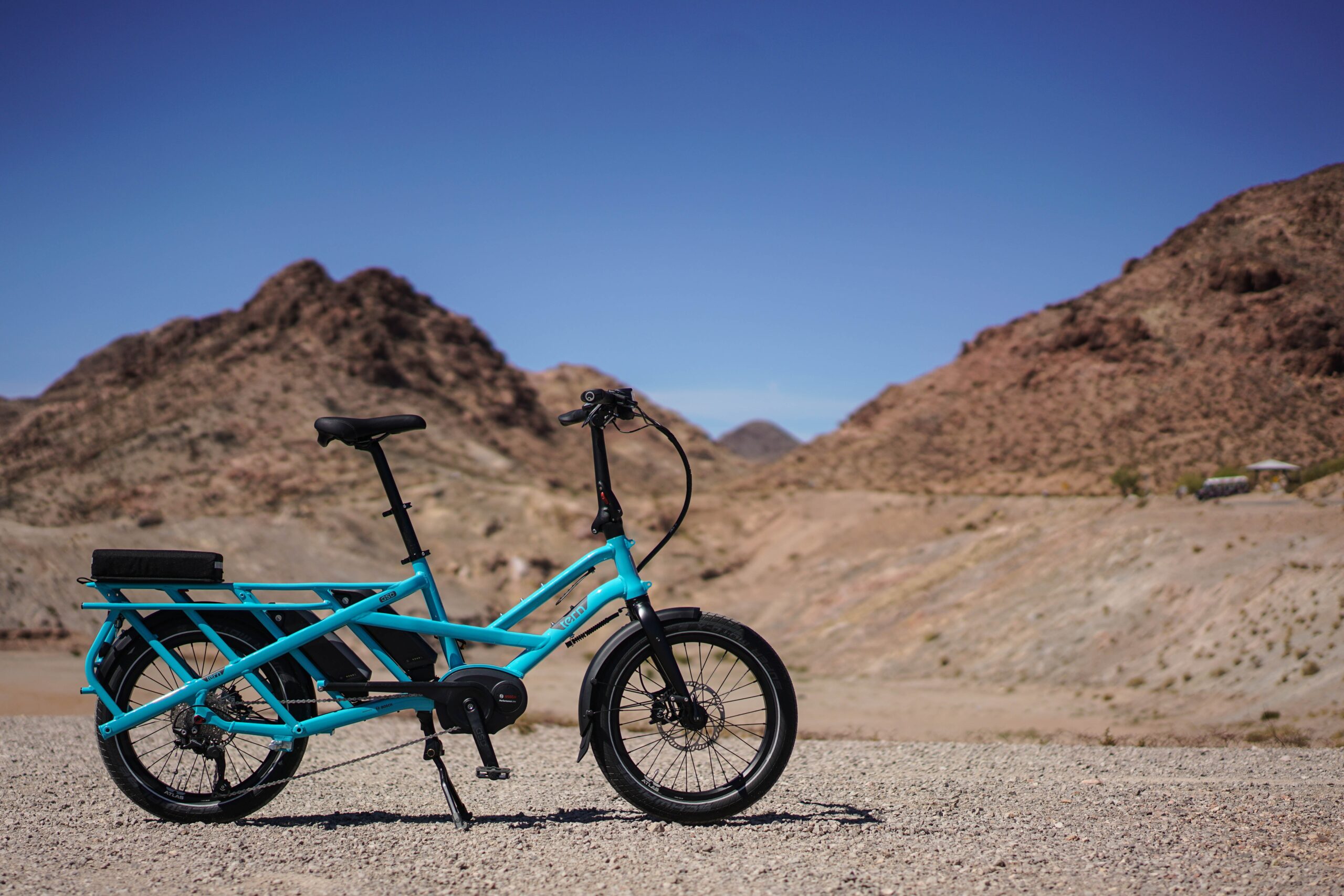
Electric bikes, or e-bikes, work by combining the traditional mechanics of a bicycle with an electric motor and a battery. The electric motor provides assistance to the rider’s pedaling efforts, making cycling easier and more accessible. Here’s a basic overview of how electric bikes work:

  1. Frame and Pedals:
    • An electric bike typically has a frame similar to that of a traditional bicycle. It includes components such as pedals, a chain, gears, and a drivetrain, allowing the rider to pedal and propel the bike forward manually.
  2. Electric Motor:
    • The electric motor is a key component of an e-bike. There are two main types of electric bike motors: hub motors and mid-drive motors.
      • Hub Motors: These motors are located in either the front or rear wheel hub. They provide direct assistance to the wheel, turning it and propelling the bike forward.
      • Mid-Drive Motors: Positioned near the bike’s bottom bracket (where the pedal cranks are attached), mid-drive motors directly assist the bike’s drivetrain, providing power to the chain and gears.
  3. Battery:
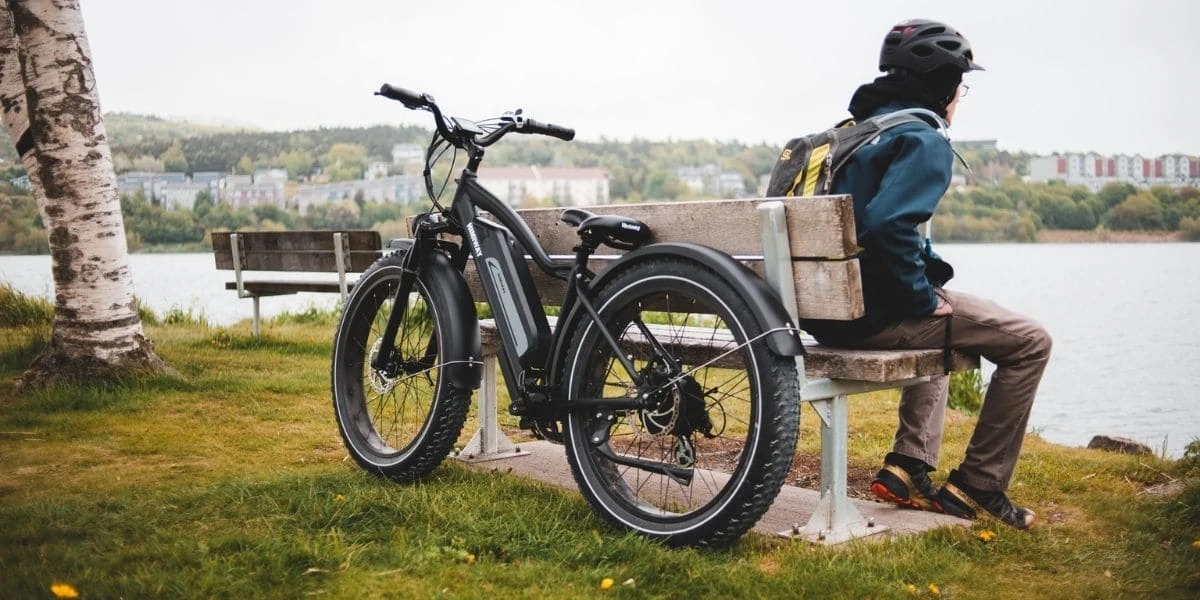
    • The battery is the energy source for the electric motor. It is usually mounted on the frame, often in a location such as the downtube, rear rack, or integrated into the bike’s design. E-bike batteries are rechargeable and can be removed for charging or charged while still attached to the bike.
  4. Controller:
    • The controller is an electronic component that manages the flow of electric power from the battery to the motor. It interprets signals from the rider (such as pedal-assist level or throttle input) and adjusts the motor’s power output accordingly.
  5. Pedal-Assist System:
    • Most e-bikes feature a pedal-assist system (PAS) that detects when the rider is pedaling and provides assistance based on the selected power level. PAS systems are designed to amplify the rider’s efforts, making it easier to pedal and providing varying levels of assistance.
  6. Throttle (Optional):
    • Some e-bikes come equipped with a throttle, allowing the rider to control the motor’s power directly without pedaling. Throttles are typically found on e-bikes designed for cruising or those with a more scooter-like setup.
  7. Display Panel:
    • E-bikes often have a display panel on the handlebars that shows information such as speed, battery level, power mode, and distance traveled. Riders can use the display to adjust settings and monitor the bike’s performance.
  8. Regenerative Braking (Optional):
    • Some e-bikes feature regenerative braking, where the motor acts as a generator during braking or descending hills. This generates electricity and returns some energy to the battery, potentially extending the bike’s range.

Overall, electric bikes work by seamlessly integrating electric power with traditional pedaling, providing riders with the flexibility to choose between manual pedaling, pedal-assisted riding, or using the electric motor alone. The combination of human power and electric assistance makes e-bikes a versatile and environmentally friendly mode of transportation.
Are Electric Scooters Easy to Ride? Exploring the Effortless Experience

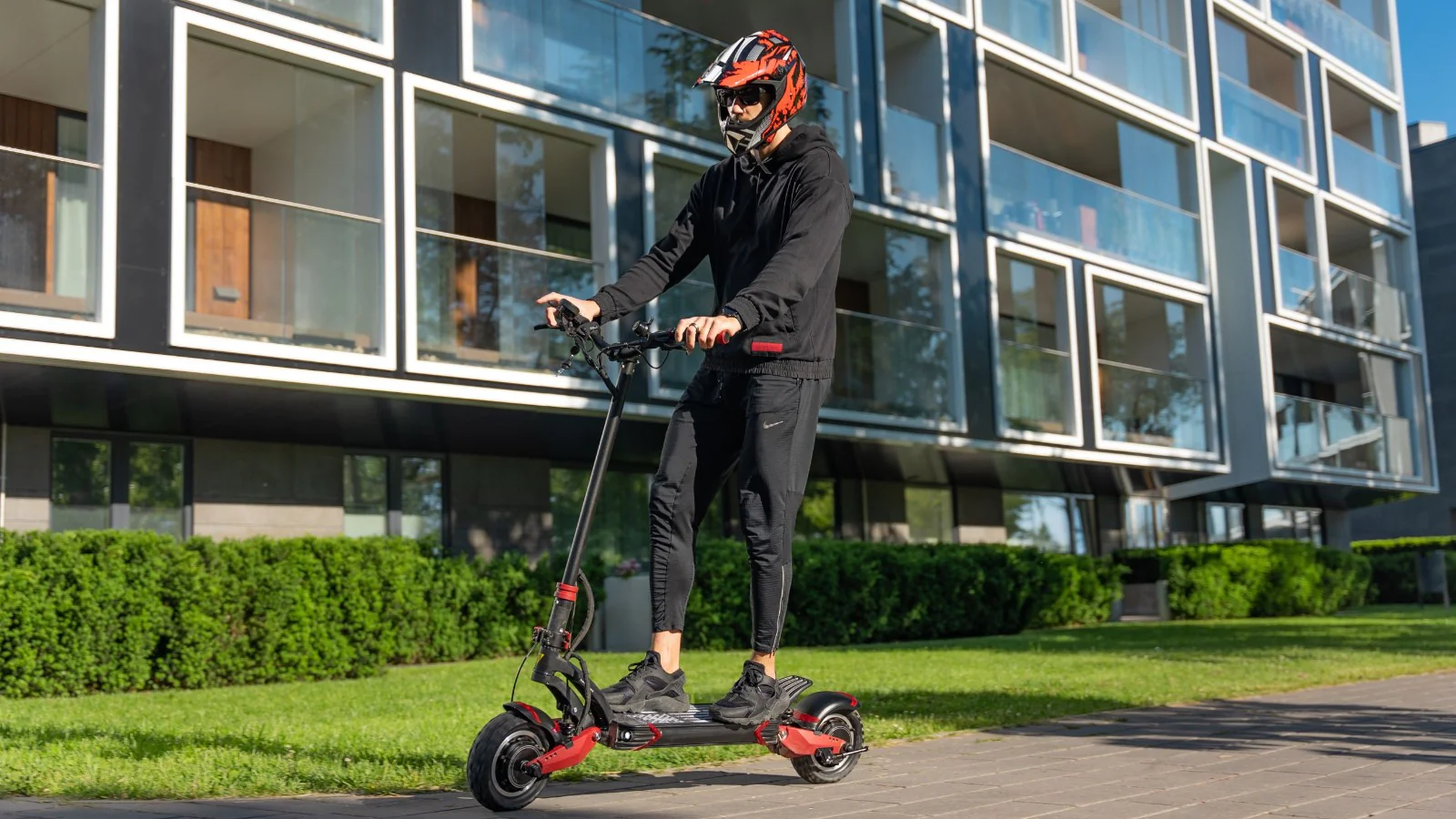
Yes, electric scooters are generally considered easy to ride, and many people find them to be an effortless and enjoyable mode of transportation. Here are several reasons why electric scooters are often perceived as easy to ride:

  1. Intuitive Controls:
    • Electric scooters typically have simple and intuitive controls. Acceleration and braking are often controlled using handgrips or thumb levers, making it easy for riders to quickly grasp the basics.
  2. No Gear Shifting:
    • Unlike some traditional motorcycles, electric scooters usually do not require gear shifting. The lack of gears simplifies the riding experience, especially for those who may be new to motorized two-wheelers.
  3. Lightweight and Maneuverable:
    • Electric scooters are generally lightweight and easy to maneuver. This makes them agile in urban environments, allowing riders to navigate through traffic and tight spaces with ease.
  4. No Manual Balancing Required:
    • Electric scooters are designed to be stable and do not require riders to balance manually, as they have a platform for standing. This can be advantageous for those who may be less confident in maintaining balance on a traditional bicycle.
  5. Instant Torque:
    • Electric scooters provide instant torque when accelerating, which can make them feel responsive and easy to control. Riders can quickly adapt to the acceleration characteristics of electric scooters.
  6. Low Learning Curve:
    • Learning to ride an electric scooter is often straightforward. Many people can become comfortable with the controls and operation after just a short period of practice.
  7. No Exhaustive Physical Effort:
    • Unlike bicycles, electric scooters do not require riders to pedal. The electric motor provides propulsion, reducing the physical effort needed to move the vehicle. This makes electric scooters accessible to a broader range of individuals, including those who may have physical limitations.
  8. Silent Operation:
    • Electric scooters are known for their quiet and smooth operation. The absence of a loud engine noise can contribute to a more relaxed and comfortable riding experience.
  9. Eco-Friendly Operation:
    • Electric scooters produce zero emissions during operation. This eco-friendly aspect, combined with their ease of use, makes them an appealing choice for environmentally conscious riders.

It’s important for new riders to familiarize themselves with local regulations, wear appropriate safety gear, and practice responsible riding. Additionally, some areas may have specific rules and licensing requirements for electric scooters, so riders should be aware of and adhere to these regulations. Overall, the ease of use and convenience make electric scooters a popular choice for short-distance urban commuting and recreational rides

Expert’s Guide to Buying an Electric Bike

Buying an electric bike (e-bike) can be an exciting and practical decision for many individuals. To make an informed purchase, consider the following expert’s guide:

  1. Define Your Purpose:
    • Determine the primary purpose of your e-bike. Are you using it for commuting, off-road adventures, leisurely rides, or a combination of these? Different e-bike models are designed for various purposes, so identifying your main use will guide your selection.
  2. Understand E-Bike Types:
    • E-bikes come in various types, including city bikes, mountain bikes, folding bikes, and cargo bikes. Each type has specific features suited for different environments and uses. Choose a type that aligns with your needs.
  3. Motor Placement:
    • E-bikes have motors placed in different locations: in the hub of the front or rear wheel or in the bike’s midsection (mid-drive). Hub motors are often quieter and simpler, while mid-drive motors provide better weight distribution and are suitable for more challenging terrains.
  4. Battery Capacity:
    • Consider the battery capacity, typically measured in watt-hours (Wh). Higher watt-hours generally mean longer range, but the actual range depends on various factors, including terrain, rider weight, and assistance level. Choose a battery capacity that suits your typical riding distances.
  5. Assist Levels and Controls:
    • E-bikes offer different levels of assistance, usually adjustable through a control unit on the handlebars. Some e-bikes also offer a throttle for additional power without pedaling. Test different assist levels to find what suits your preferences.
  6. Range:
    • The range of an e-bike refers to the distance it can travel on a single charge. Factors such as battery capacity, terrain, rider weight, and riding conditions affect the range. Consider your typical riding distances and choose a bike with a range that meets your needs.
  7. Frame Size and Fit:
    • Just like traditional bikes, e-bikes come in different frame sizes. Ensuring the bike fits your body size and riding preferences is crucial for comfort and control. Test ride different models and sizes to find the best fit.
  8. Weight:
    • E-bikes can be heavier than traditional bikes due to the added weight of the motor and battery. Consider the weight if you need to lift or transport the bike regularly. Some e-bikes have a removable battery to make lifting easier.
  9. Braking System:
    • Invest in an e-bike with a reliable braking system. Hydraulic disc brakes are commonly preferred for their consistent performance and responsiveness. Ensure the brakes can handle the additional speed and weight of an e-bike.
  10. Brand Reputation and Reviews:
    • Research the reputation of the e-bike brand and model you’re interested in. Read reviews from other users and consider feedback on factors like reliability, customer support, and overall satisfaction.
  11. Legal Regulations:
    • Be aware of local regulations regarding e-bikes. Different regions may have specific rules regarding speed limits, power output, and where e-bikes can be ridden. Ensure your chosen e-bike complies with local laws.
  12. Warranty and Support:
    • Check the warranty offered by the manufacturer, especially for the motor and battery. Also, consider the availability of customer support and service centers in your area.

By carefully considering these factors and doing thorough research, you can select an e-bike that aligns with your preferences, needs, and budget. Don’t hesitate to test ride multiple models to get a feel for different features and styles before making a final decision.

Difference Between Electric Bikes And Electric Scooters

Electric bikes (e-bikes) and electric scooters are both forms of electrically assisted personal transportation, but they differ in design, functionality, and how the rider interacts with the vehicle. Here are some key differences between electric bikes and electric scooters:

  1. Design and Frame:
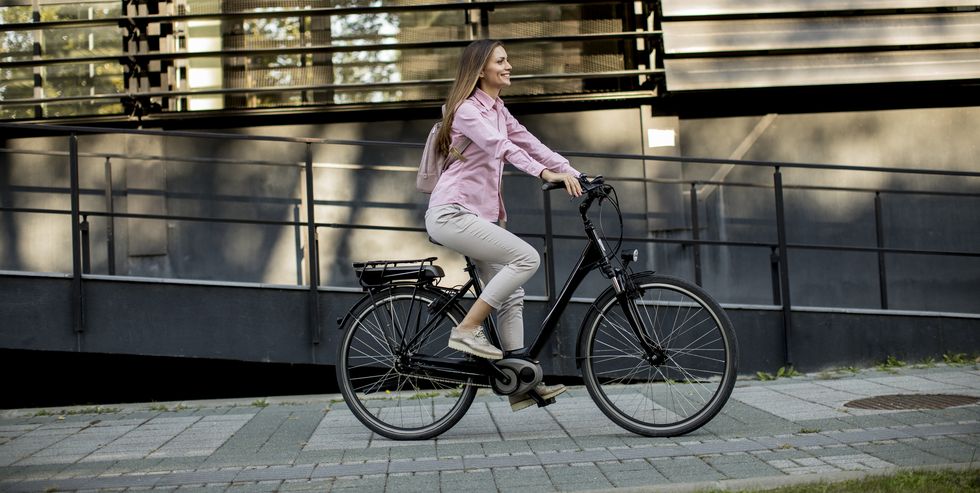
    • Electric Bikes (E-Bikes): E-bikes typically resemble traditional bicycles, with a frame, pedals, and often a front or rear hub motor or a mid-drive motor. They are designed to be pedaled, and the electric motor provides assistance to the rider’s pedaling efforts.
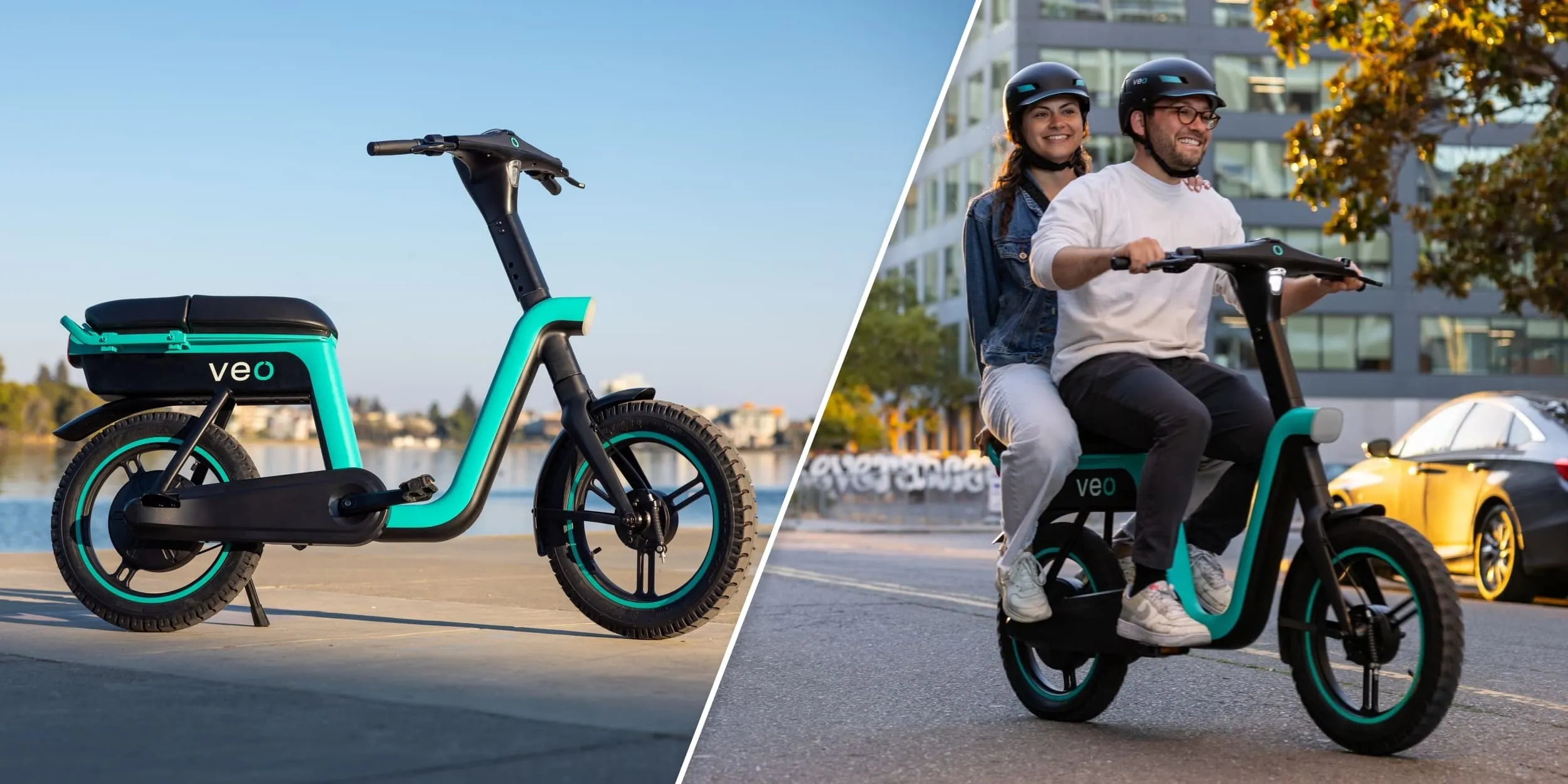
    • Electric Scooters: Electric scooters are compact, lightweight, and usually have a step-through design. They have a platform for the rider to stand on and handlebars for steering. Scooters may have an integrated or external electric motor, and they are generally not designed for pedaling.
  2. Pedal Assistance:
    • E-Bikes: E-bikes are designed to be pedaled, and the electric motor provides assistance to the rider’s pedaling efforts. The level of assistance can often be adjusted, and some e-bikes allow the rider to choose between pedal-only, electric-only, or a combination of both.
    • Electric Scooters: Electric scooters are not designed for pedaling. The motor propels the scooter forward, and the rider controls speed and direction using handlebar controls.
  3. Seating:
    • E-Bikes: Many e-bikes come with a traditional bicycle seat, and riders can choose between models with a standard saddle or a more comfortable, ergonomic seat.
    • Electric Scooters: Electric scooters typically do not have a traditional seat. Instead, the rider stands on a platform, holding onto handlebars for stability.
  4. Handlebar Controls:
    • E-Bikes: E-bikes often have handlebar-mounted controls to adjust the level of pedal assistance, control lights, and manage other functions. The rider typically controls speed primarily through pedaling.
    • Electric Scooters: Electric scooters have handlebar-mounted controls for acceleration, braking, and sometimes horn or lights. Riders control speed by twisting the handlebar grip or using a thumb lever.
  5. Regulations and Licensing:
    • E-Bikes: The regulations for e-bikes vary by country and region, but in many places, e-bikes with certain specifications (e.g., maximum power, speed limits) are treated similarly to traditional bicycles and may not require a license.
    • Electric Scooters: Regulations for electric scooters can vary widely. In some areas, electric scooters may be classified as electric bicycles, while in others, they may be subject to specific regulations, including licensing requirements.
  6. Use Cases:
    • E-Bikes: E-bikes are often used for commuting, recreational cycling, and longer rides. They are suitable for riders who want assistance with pedaling but still want to engage in physical activity.
    • Electric Scooters: Electric scooters are commonly used for short-distance urban commuting, particularly for the “last mile” of a journey. They are often favored for quick and convenient point-to-point travel in crowded city environments.

When choosing between an electric bike and an electric scooter, it’s essential to consider your specific transportation needs, comfort preferences, and local regulations. Both options offer eco-friendly alternatives to traditional transportation, and the choice depends on individual preferences and the intended use of the vehicle.

Do You Need A License To Drive An E-Bike?

The regulations regarding the need for a license to drive an e-bike vary significantly depending on the country, state, or region. It’s crucial to be aware of and comply with the local laws and regulations where you plan to ride an e-bike. Here are some general guidelines, but keep in mind that you should always check the specific rules in your location:

  1. United States:
    • In the United States, federal law defines e-bikes and classifies them into three categories (Class 1, Class 2, and Class 3). The regulations regarding licenses for e-bike riders are typically determined at the state level.
    • Many states do not require a driver’s license for Class 1 and Class 2 e-bikes (which have a maximum assisted speed of 20 mph). Class 3 e-bikes (with a maximum assisted speed of 28 mph) may have different requirements, and some states may require a driver’s license.
  2. Canada:
    • In Canada, the regulations regarding e-bikes are set by each province or territory. Generally, e-bikes are allowed without a license, but there may be age restrictions and specific rules regarding power and speed limits.
  3. European Union:
    • In the European Union, e-bike regulations are harmonized, but there may still be variations among member states. Generally, e-bikes with pedal assistance up to 25 km/h (15.5 mph) are not subject to licensing requirements. E-bikes with higher speeds may be subject to specific regulations.
  4. United Kingdom:
    • In the UK, e-bikes that meet certain criteria (e.g., maximum power output, pedal assistance limit) are considered electrically assisted pedal cycles (EAPCs) and do not require a license. However, e-bikes that exceed these criteria may be subject to motorcycle licensing requirements.
  5. Australia:
    • In Australia, the regulations regarding e-bikes vary by state and territory. In many cases, e-bikes with a maximum power output of 200 watts and pedal assistance are exempt from licensing requirements. However, higher-powered e-bikes may be subject to specific regulations.

Always check with local authorities, transportation departments, or relevant agencies to get accurate and up-to-date information on e-bike regulations in your specific area. Additionally, be aware that local laws may change, and it’s important to stay informed to ensure legal and safe e-bike usage.

e-bikes are reshaping lives of people

Indeed, e-bikes are reshaping the lives of people in various ways, providing a range of benefits that contribute to improved well-being, lifestyle, and mobility. Here are several aspects in which e-bikes are making a positive impact:

  1. Improved Mobility:
    • E-bikes enable individuals to cover longer distances with less effort, making them a practical and efficient mode of transportation. This increased mobility is particularly beneficial for commuting to work, running errands, and accessing areas that may be challenging on traditional bicycles.
  2. Health and Fitness:
    • E-bikes make cycling more accessible to people of different fitness levels and abilities. The electric assistance allows individuals to engage in physical activity comfortably, promoting cardiovascular health, muscle tone, and overall well-being.
  3. Eco-Friendly Transportation:
    • E-bikes contribute to sustainable and eco-friendly transportation. By reducing the reliance on traditional vehicles, they help lower emissions, decrease air pollution, and contribute to a greener environment.
  4. Community and Social Interaction:
    • Group rides and cycling events become more inclusive with the use of e-bikes. People with varying fitness levels can participate together, fostering a sense of community and promoting social interaction.
  5. Aging Population:
    • E-bikes are particularly beneficial for older individuals, providing them with a means of staying active and independent. The electric assistance helps overcome physical limitations, making cycling an enjoyable and feasible activity for seniors.
  6. Urban Planning and Traffic Reduction:
    • The use of e-bikes contributes to more sustainable urban planning by reducing traffic congestion and parking demand. E-bike commuting can alleviate pressure on public transportation systems and promote a healthier, more efficient city infrastructure.
  7. Economic Benefits:
    • E-bikes offer economic advantages, such as reduced fuel costs and lower maintenance expenses compared to owning a car. This can lead to cost savings for individuals and contribute to a more cost-effective and sustainable transportation system.
  8. Employment Opportunities:
    • The growing popularity of e-bikes has created new job opportunities, including roles in manufacturing, sales, maintenance, and e-bike-related services. This contributes to economic growth and employment in various sectors.
  9. Tourism and Recreation:
    • E-bikes enhance the tourism and recreation industries by providing an enjoyable and accessible way to explore scenic areas. Tourists and locals alike can use e-bikes to discover new places, contributing to local economies and promoting outdoor activities.
  10. Personal Empowerment:
    • E-bikes empower individuals to take control of their transportation choices. They offer a flexible and convenient solution that allows people to navigate their daily lives with greater independence and autonomy.

The transformative impact of e-bikes is evident in their ability to address various societal challenges, from improving health and accessibility to promoting sustainability and community engagement. As technology and infrastructure continue to advance, e-bikes are likely to play an increasingly significant role in shaping the way people live and move in the future.

e-Bike Health Benefits

Using an electric bike (e-bike) can offer several health benefits, making it an attractive option for individuals seeking an active and enjoyable lifestyle. Here are some health benefits associated with e-bike riding:

  1. Increased Physical Activity:
    • While e-bikes provide electric assistance, riders still engage in physical activity by pedaling. This low-impact exercise can contribute to cardiovascular health, improve muscle tone, and help maintain a healthy weight.
  2. Improved Cardiovascular Health:
    • Regular cycling, even with electric assistance, is an effective way to promote cardiovascular health. It helps strengthen the heart, improve blood circulation, and reduce the risk of cardiovascular diseases.
  3. Joint-Friendly Exercise:
    • Cycling is a low-impact exercise that is gentle on the joints, making it suitable for individuals with joint issues or those recovering from injuries. The electric assistance in e-bikes can provide extra support during pedaling.
  4. Enhanced Mental Well-Being:
    • Physical activity is linked to improved mental health, and cycling is no exception. E-bike riding allows individuals to enjoy the outdoors, reduce stress, and boost mood by releasing endorphins, which are known as “feel-good” hormones.
  5. Increased Mobility:
    • E-bikes can be a practical mode of transportation for individuals with limited mobility or health conditions that may prevent them from using traditional bicycles. The electric motor provides assistance, making it easier for people to move around and maintain independence.
  6. Encourages Consistent Exercise:
    • The assistance provided by the electric motor can encourage individuals to start and maintain a regular exercise routine. This is particularly beneficial for those who may find traditional biking challenging or intimidating.
  7. Adaptability to Fitness Levels:
    • E-bikes are suitable for a wide range of fitness levels. Riders can choose the level of electric assistance based on their fitness goals and energy levels, allowing for a customized and adaptable workout.
  8. Increased Accessibility:
    • E-bikes make cycling more accessible to a broader demographic, including older individuals and those who may have physical limitations. This inclusivity fosters community engagement and social interaction through group rides and cycling events.
  9. Weight Management:
    • Regular e-bike riding, combined with a healthy lifestyle, can contribute to weight management and the prevention of obesity-related health issues. It provides a convenient way to incorporate physical activity into daily routines.
  10. Better Sleep Patterns:
    • Engaging in regular physical activity, such as e-bike riding, has been associated with improved sleep quality. The combination of exercise and exposure to natural light during outdoor rides can positively impact circadian rhythms.

It’s important for individuals to consult with healthcare professionals before starting any new exercise regimen, especially if they have pre-existing health conditions. Additionally, adherence to local traffic regulations and safety guidelines is crucial when using e-bikes.

8 Benefits Of Using Electric Bikes

Electric bikes, also known as e-bikes, have gained popularity in recent years, and there are several benefits associated with their use. Here are eight advantages of using electric bikes:

  1. Assisted Pedaling:
    • E-bikes come equipped with an electric motor that assists the rider’s pedaling efforts. This can be especially helpful when climbing hills, facing headwinds, or covering long distances, making cycling more accessible to a wider range of people.
  2. Increased Range:
    • The electric motor allows riders to cover longer distances with less physical effort. This extended range can be beneficial for commuting to work, running errands, or exploring areas that might be challenging on a traditional bike.
  3. Commute Efficiency:
    • Electric bikes are an eco-friendly alternative for commuting. They provide an efficient means of transportation, allowing riders to navigate through traffic easily, potentially reducing commute times, and eliminating the need for a car in some cases.
  4. Fitness Benefits:
    • While e-bikes provide electric assistance, riders can still choose to pedal without assistance or use lower assistance levels, promoting physical activity and exercise. E-bikes can encourage people who might otherwise be deterred from cycling due to physical limitations or lack of fitness.
  5. Eco-Friendly Transportation:
    • Electric bikes produce fewer emissions compared to traditional vehicles, contributing to a reduction in air pollution and greenhouse gas emissions. They are a more sustainable transportation option, particularly in urban environments.
  6. Cost Savings:
    • Although the initial cost of an electric bike may be higher than that of a traditional bike, the long-term costs can be lower. E-bikes require less maintenance and are more cost-effective than owning and operating a car, especially when factoring in fuel, insurance, and parking expenses.
  7. Flexible Fitness Levels:
    • E-bikes accommodate a wide range of fitness levels. They can be an excellent option for individuals who may have health concerns, are recovering from injuries, or simply want a more comfortable cycling experience. Riders can adjust the level of electric assistance to match their fitness and energy levels.
  8. Community and Social Benefits:
    • E-bikes can contribute to a sense of community and social interaction. Group rides and cycling events become more inclusive, as riders with varying levels of fitness can participate together. E-bikes enable people to enjoy outdoor activities and explore their surroundings in a social context.

It’s important to note that local regulations regarding the use of electric bikes may vary, and riders should be aware of and adhere to applicable laws and safety guidelines.

X