Français
 Deutsch
 Pусский








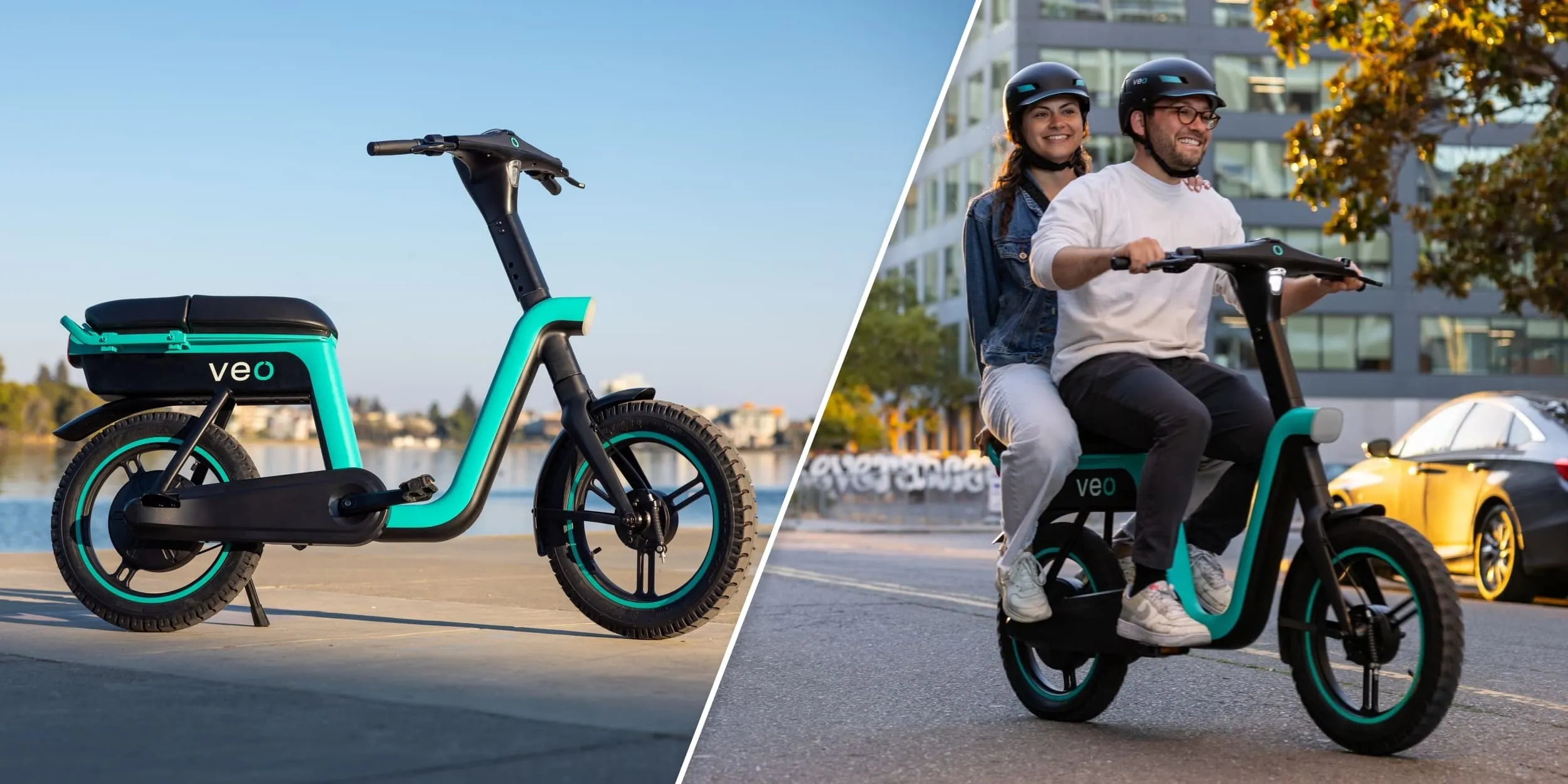
Electric bikes (e-bikes) and electric scooters are both forms of electrically assisted personal transportation, but they differ in design, functionality, and how the rider interacts with the vehicle. Here are some key differences between electric bikes and electric scooters:
- Design and Frame:
- Electric Bikes (E-Bikes): E-bikes typically resemble traditional bicycles, with a frame, pedals, and often a front or rear hub motor or a mid-drive motor. They are designed to be pedaled, and the electric motor provides assistance to the rider’s pedaling efforts.
- Electric Scooters: Electric scooters are compact, lightweight, and usually have a step-through design. They have a platform for the rider to stand on and handlebars for steering. Scooters may have an integrated or external electric motor, and they are generally not designed for pedaling.
- Pedal Assistance:
- E-Bikes: E-bikes are designed to be pedaled, and the electric motor provides assistance to the rider’s pedaling efforts. The level of assistance can often be adjusted, and some e-bikes allow the rider to choose between pedal-only, electric-only, or a combination of both.
- Electric Scooters: Electric scooters are not designed for pedaling. The motor propels the scooter forward, and the rider controls speed and direction using handlebar controls.
- Seating:
- E-Bikes: Many e-bikes come with a traditional bicycle seat, and riders can choose between models with a standard saddle or a more comfortable, ergonomic seat.
- Electric Scooters: Electric scooters typically do not have a traditional seat. Instead, the rider stands on a platform, holding onto handlebars for stability.
- Handlebar Controls:
- E-Bikes: E-bikes often have handlebar-mounted controls to adjust the level of pedal assistance, control lights, and manage other functions. The rider typically controls speed primarily through pedaling.
- Electric Scooters: Electric scooters have handlebar-mounted controls for acceleration, braking, and sometimes horn or lights. Riders control speed by twisting the handlebar grip or using a thumb lever.
- Regulations and Licensing:
- E-Bikes: The regulations for e-bikes vary by country and region, but in many places, e-bikes with certain specifications (e.g., maximum power, speed limits) are treated similarly to traditional bicycles and may not require a license.
- Electric Scooters: Regulations for electric scooters can vary widely. In some areas, electric scooters may be classified as electric bicycles, while in others, they may be subject to specific regulations, including licensing requirements.
- Use Cases:
- E-Bikes: E-bikes are often used for commuting, recreational cycling, and longer rides. They are suitable for riders who want assistance with pedaling but still want to engage in physical activity.
- Electric Scooters: Electric scooters are commonly used for short-distance urban commuting, particularly for the “last mile” of a journey. They are often favored for quick and convenient point-to-point travel in crowded city environments.
When choosing between an electric bike and an electric scooter, it’s essential to consider your specific transportation needs, comfort preferences, and local regulations. Both options offer eco-friendly alternatives to traditional transportation, and the choice depends on individual preferences and the intended use of the vehicle.