Français
 Deutsch
 Pусский









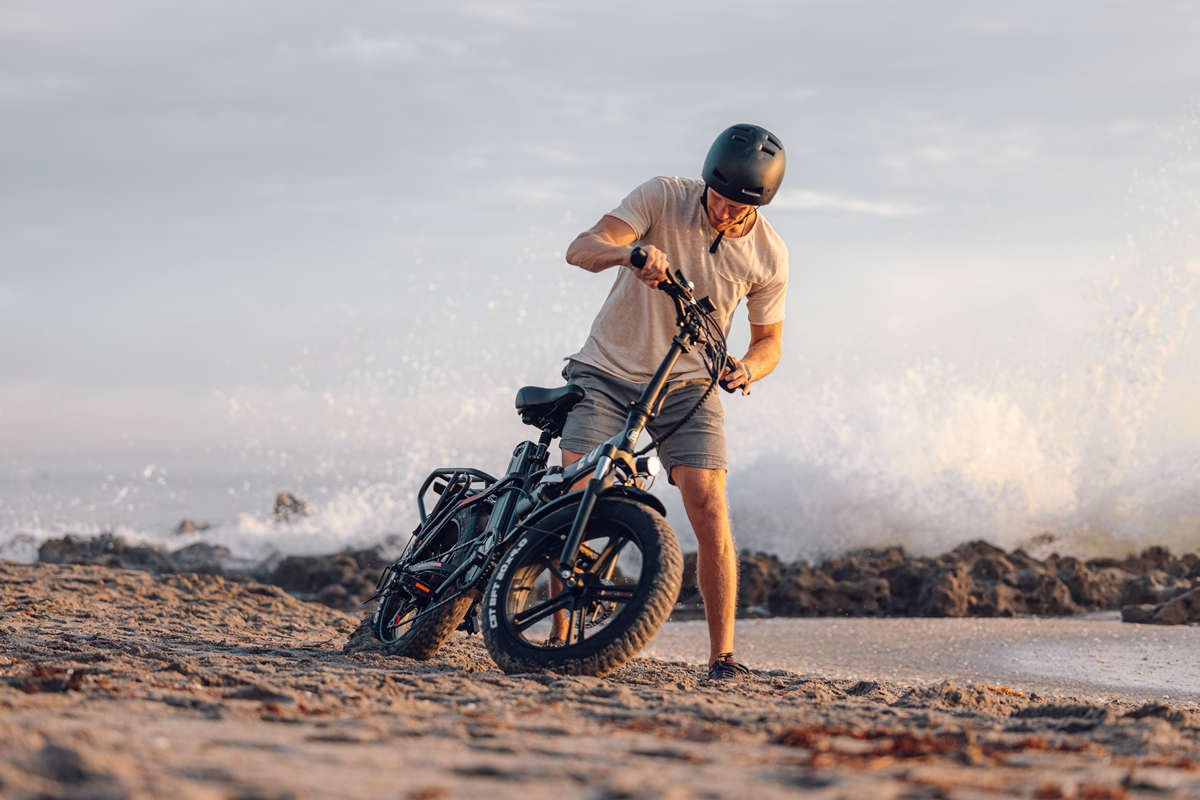
The regulations regarding the need for a license to drive an e-bike vary significantly depending on the country, state, or region. It’s crucial to be aware of and comply with the local laws and regulations where you plan to ride an e-bike. Here are some general guidelines, but keep in mind that you should always check the specific rules in your location:
- United States:
- In the United States, federal law defines e-bikes and classifies them into three categories (Class 1, Class 2, and Class 3). The regulations regarding licenses for e-bike riders are typically determined at the state level.
- Many states do not require a driver’s license for Class 1 and Class 2 e-bikes (which have a maximum assisted speed of 20 mph). Class 3 e-bikes (with a maximum assisted speed of 28 mph) may have different requirements, and some states may require a driver’s license.
- Canada:
- In Canada, the regulations regarding e-bikes are set by each province or territory. Generally, e-bikes are allowed without a license, but there may be age restrictions and specific rules regarding power and speed limits.
- European Union:
- In the European Union, e-bike regulations are harmonized, but there may still be variations among member states. Generally, e-bikes with pedal assistance up to 25 km/h (15.5 mph) are not subject to licensing requirements. E-bikes with higher speeds may be subject to specific regulations.
- United Kingdom:
- In the UK, e-bikes that meet certain criteria (e.g., maximum power output, pedal assistance limit) are considered electrically assisted pedal cycles (EAPCs) and do not require a license. However, e-bikes that exceed these criteria may be subject to motorcycle licensing requirements.
- Australia:
- In Australia, the regulations regarding e-bikes vary by state and territory. In many cases, e-bikes with a maximum power output of 200 watts and pedal assistance are exempt from licensing requirements. However, higher-powered e-bikes may be subject to specific regulations.
Always check with local authorities, transportation departments, or relevant agencies to get accurate and up-to-date information on e-bike regulations in your specific area. Additionally, be aware that local laws may change, and it’s important to stay informed to ensure legal and safe e-bike usage.