e-bikes are reshaping lives of people

Indeed, e-bikes are reshaping the lives of people in various ways, providing a range of benefits that contribute to improved well-being, lifestyle, and mobility. Here are several aspects in which e-bikes are making a positive impact:

  1. Improved Mobility:
    • E-bikes enable individuals to cover longer distances with less effort, making them a practical and efficient mode of transportation. This increased mobility is particularly beneficial for commuting to work, running errands, and accessing areas that may be challenging on traditional bicycles.
  2. Health and Fitness:
    • E-bikes make cycling more accessible to people of different fitness levels and abilities. The electric assistance allows individuals to engage in physical activity comfortably, promoting cardiovascular health, muscle tone, and overall well-being.
  3. Eco-Friendly Transportation:
    • E-bikes contribute to sustainable and eco-friendly transportation. By reducing the reliance on traditional vehicles, they help lower emissions, decrease air pollution, and contribute to a greener environment.
  4. Community and Social Interaction:
    • Group rides and cycling events become more inclusive with the use of e-bikes. People with varying fitness levels can participate together, fostering a sense of community and promoting social interaction.
  5. Aging Population:
    • E-bikes are particularly beneficial for older individuals, providing them with a means of staying active and independent. The electric assistance helps overcome physical limitations, making cycling an enjoyable and feasible activity for seniors.
  6. Urban Planning and Traffic Reduction:
    • The use of e-bikes contributes to more sustainable urban planning by reducing traffic congestion and parking demand. E-bike commuting can alleviate pressure on public transportation systems and promote a healthier, more efficient city infrastructure.
  7. Economic Benefits:
    • E-bikes offer economic advantages, such as reduced fuel costs and lower maintenance expenses compared to owning a car. This can lead to cost savings for individuals and contribute to a more cost-effective and sustainable transportation system.
  8. Employment Opportunities:
    • The growing popularity of e-bikes has created new job opportunities, including roles in manufacturing, sales, maintenance, and e-bike-related services. This contributes to economic growth and employment in various sectors.
  9. Tourism and Recreation:
    • E-bikes enhance the tourism and recreation industries by providing an enjoyable and accessible way to explore scenic areas. Tourists and locals alike can use e-bikes to discover new places, contributing to local economies and promoting outdoor activities.
  10. Personal Empowerment:
    • E-bikes empower individuals to take control of their transportation choices. They offer a flexible and convenient solution that allows people to navigate their daily lives with greater independence and autonomy.

The transformative impact of e-bikes is evident in their ability to address various societal challenges, from improving health and accessibility to promoting sustainability and community engagement. As technology and infrastructure continue to advance, e-bikes are likely to play an increasingly significant role in shaping the way people live and move in the future.

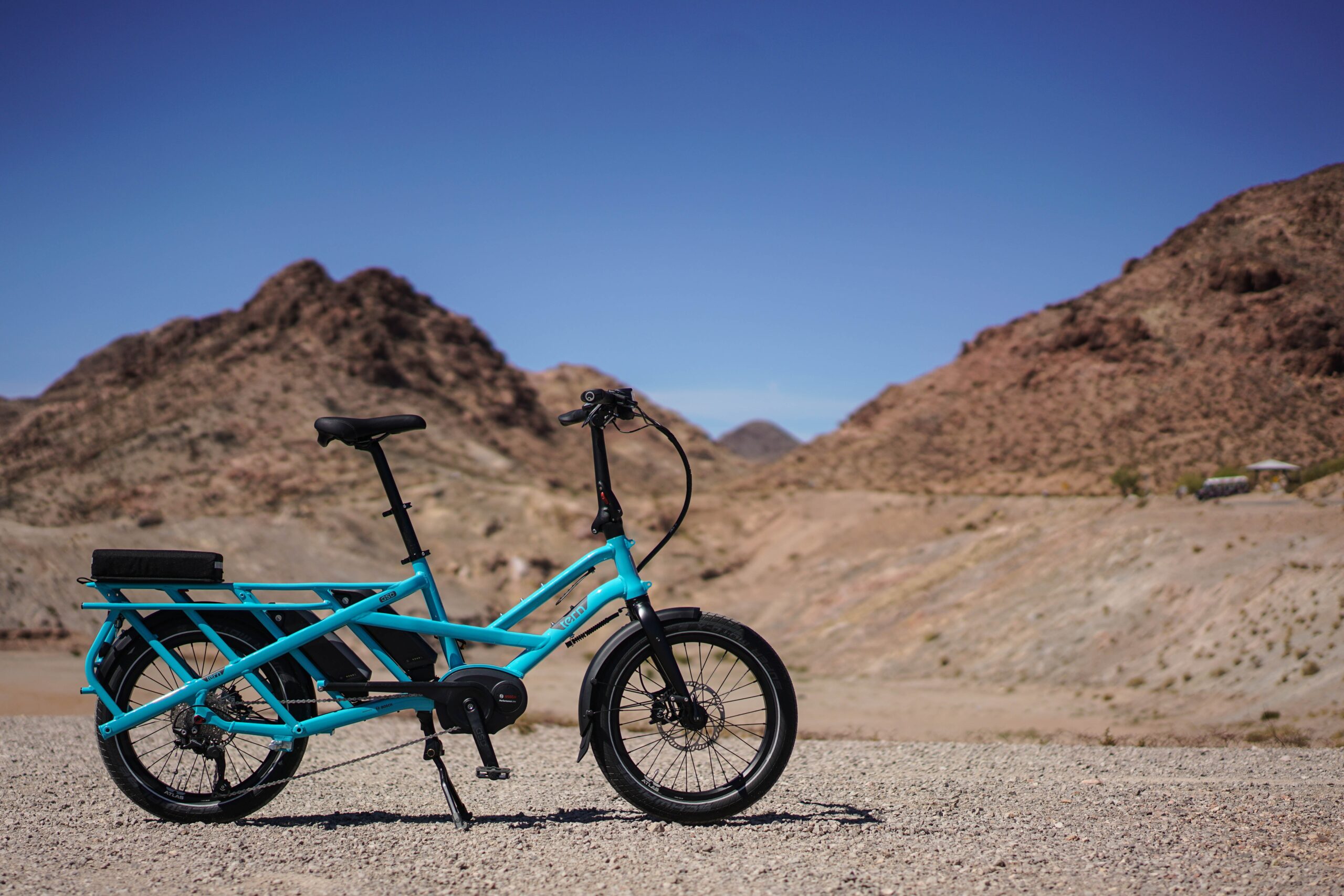
e-Bike Health Benefits

Using an electric bike (e-bike) can offer several health benefits, making it an attractive option for individuals seeking an active and enjoyable lifestyle. Here are some health benefits associated with e-bike riding:

  1. Increased Physical Activity:
    • While e-bikes provide electric assistance, riders still engage in physical activity by pedaling. This low-impact exercise can contribute to cardiovascular health, improve muscle tone, and help maintain a healthy weight.
  2. Improved Cardiovascular Health:
    • Regular cycling, even with electric assistance, is an effective way to promote cardiovascular health. It helps strengthen the heart, improve blood circulation, and reduce the risk of cardiovascular diseases.
  3. Joint-Friendly Exercise:
    • Cycling is a low-impact exercise that is gentle on the joints, making it suitable for individuals with joint issues or those recovering from injuries. The electric assistance in e-bikes can provide extra support during pedaling.
  4. Enhanced Mental Well-Being:
    • Physical activity is linked to improved mental health, and cycling is no exception. E-bike riding allows individuals to enjoy the outdoors, reduce stress, and boost mood by releasing endorphins, which are known as “feel-good” hormones.
  5. Increased Mobility:
    • E-bikes can be a practical mode of transportation for individuals with limited mobility or health conditions that may prevent them from using traditional bicycles. The electric motor provides assistance, making it easier for people to move around and maintain independence.
  6. Encourages Consistent Exercise:
    • The assistance provided by the electric motor can encourage individuals to start and maintain a regular exercise routine. This is particularly beneficial for those who may find traditional biking challenging or intimidating.
  7. Adaptability to Fitness Levels:
    • E-bikes are suitable for a wide range of fitness levels. Riders can choose the level of electric assistance based on their fitness goals and energy levels, allowing for a customized and adaptable workout.
  8. Increased Accessibility:
    • E-bikes make cycling more accessible to a broader demographic, including older individuals and those who may have physical limitations. This inclusivity fosters community engagement and social interaction through group rides and cycling events.
  9. Weight Management:
    • Regular e-bike riding, combined with a healthy lifestyle, can contribute to weight management and the prevention of obesity-related health issues. It provides a convenient way to incorporate physical activity into daily routines.
  10. Better Sleep Patterns:
    • Engaging in regular physical activity, such as e-bike riding, has been associated with improved sleep quality. The combination of exercise and exposure to natural light during outdoor rides can positively impact circadian rhythms.

It’s important for individuals to consult with healthcare professionals before starting any new exercise regimen, especially if they have pre-existing health conditions. Additionally, adherence to local traffic regulations and safety guidelines is crucial when using e-bikes.

8 Benefits Of Using Electric Bikes

Electric bikes, also known as e-bikes, have gained popularity in recent years, and there are several benefits associated with their use. Here are eight advantages of using electric bikes:

  1. Assisted Pedaling:
    • E-bikes come equipped with an electric motor that assists the rider’s pedaling efforts. This can be especially helpful when climbing hills, facing headwinds, or covering long distances, making cycling more accessible to a wider range of people.
  2. Increased Range:
    • The electric motor allows riders to cover longer distances with less physical effort. This extended range can be beneficial for commuting to work, running errands, or exploring areas that might be challenging on a traditional bike.
  3. Commute Efficiency:
    • Electric bikes are an eco-friendly alternative for commuting. They provide an efficient means of transportation, allowing riders to navigate through traffic easily, potentially reducing commute times, and eliminating the need for a car in some cases.
  4. Fitness Benefits:
    • While e-bikes provide electric assistance, riders can still choose to pedal without assistance or use lower assistance levels, promoting physical activity and exercise. E-bikes can encourage people who might otherwise be deterred from cycling due to physical limitations or lack of fitness.
  5. Eco-Friendly Transportation:
    • Electric bikes produce fewer emissions compared to traditional vehicles, contributing to a reduction in air pollution and greenhouse gas emissions. They are a more sustainable transportation option, particularly in urban environments.
  6. Cost Savings:
    • Although the initial cost of an electric bike may be higher than that of a traditional bike, the long-term costs can be lower. E-bikes require less maintenance and are more cost-effective than owning and operating a car, especially when factoring in fuel, insurance, and parking expenses.
  7. Flexible Fitness Levels:
    • E-bikes accommodate a wide range of fitness levels. They can be an excellent option for individuals who may have health concerns, are recovering from injuries, or simply want a more comfortable cycling experience. Riders can adjust the level of electric assistance to match their fitness and energy levels.
  8. Community and Social Benefits:
    • E-bikes can contribute to a sense of community and social interaction. Group rides and cycling events become more inclusive, as riders with varying levels of fitness can participate together. E-bikes enable people to enjoy outdoor activities and explore their surroundings in a social context.

It’s important to note that local regulations regarding the use of electric bikes may vary, and riders should be aware of and adhere to applicable laws and safety guidelines.

X