Frugal Style: 10 Tips For Looking Rich On A Budget

Looking stylish and put-together doesn’t have to break the bank. Here are 10 frugal style tips to help you achieve a polished and sophisticated look on a budget:

  1. Invest in Basics: Build your wardrobe around timeless basics like well-fitted jeans, classic white shirts, tailored blazers, and versatile dresses. These pieces form the foundation of your wardrobe and can be mixed and matched with other items.
  2. Shop Secondhand: Explore thrift stores, consignment shops, and online marketplaces for gently used clothing and accessories at a fraction of the retail price. You can find high-quality designer pieces and unique vintage items that add character to your wardrobe.
  3. Focus on Fit: Ensure that your clothing fits well by investing in alterations or learning basic sewing skills to tailor garments yourself. Well-fitted clothing elevates your look and gives the impression of luxury, regardless of the price tag.
  4. Accessorize Wisely: Accessories can make or break an outfit. Invest in a few key accessories like statement jewelry, scarves, belts, and handbags that elevate your look without breaking the bank. Opt for classic and versatile pieces that can be worn with multiple outfits.
  5. Opt for Quality Over Quantity: Instead of buying multiple inexpensive items, invest in fewer high-quality pieces that will last longer and withstand wear and tear. Look for durable fabrics and well-constructed garments that maintain their shape and color over time.
  6. Mix High and Low: Create a stylish and balanced look by mixing high-end pieces with more affordable items. Pair a designer handbag with a budget-friendly dress, or style a thrifted blazer with tailored pants for a chic ensemble.
  7. Embrace Minimalism: Adopting a minimalist approach to your wardrobe allows you to focus on quality over quantity. Streamline your closet by curating a capsule wardrobe of versatile pieces that can be mixed and matched effortlessly.
  8. DIY Upgrades: Get creative and customize your clothing and accessories with DIY upgrades. Add embellishments, embroidery, or patches to old garments to give them a new lease on life. You can also refresh worn-out shoes with a fresh coat of polish or paint.
  9. Stay Timeless: Stick to timeless and classic styles that transcend trends and remain stylish season after season. Neutral colors, simple silhouettes, and clean lines create a sophisticated and elegant look that never goes out of fashion.
  10. Confidence is Key: Regardless of what you’re wearing, confidence is the ultimate accessory. Own your style choices with confidence and carry yourself with poise. A confident attitude can elevate even the simplest of outfits and make you look and feel rich.

By following these frugal style tips, you can achieve a polished and sophisticated look without breaking the bank. Remember that style is not about how much you spend but how you put together your outfits and carry yourself with confidence.
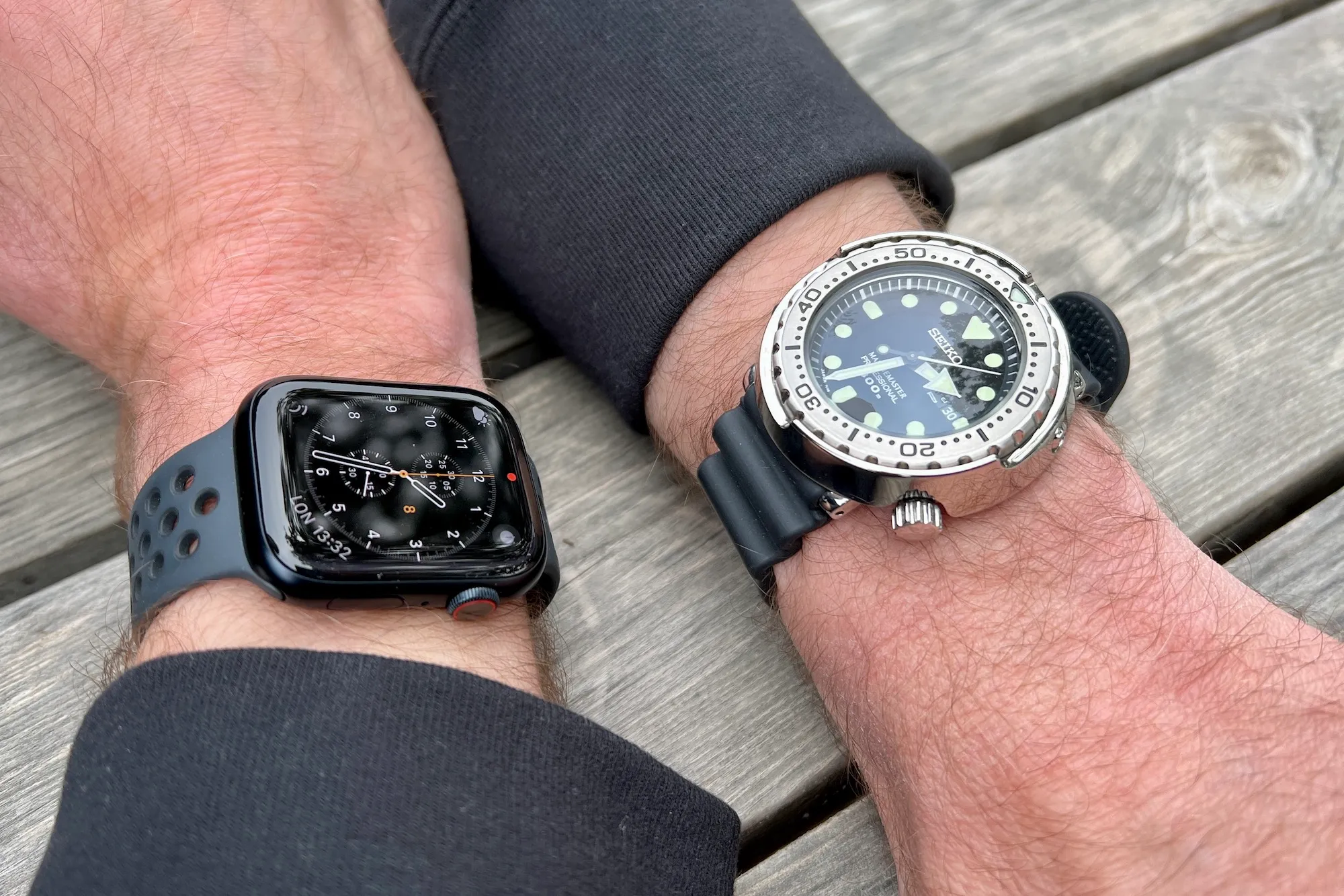
Wearing Two Watches At The Same Time

Wearing two watches at the same time, also known as “double-wristing,” is a unique fashion statement that some people choose to make. Here are some considerations if you’re interested in trying this unconventional style:

  1. Purpose: Consider the purpose behind wearing two watches. Are you doing it for fashion, functionality, or both? Understanding your motivation will help you determine how to approach double-wristing.
  2. Balance: When wearing two watches, aim for balance in terms of design, size, and weight. Choose watches that complement each other and don’t overpower your overall look. They should also be comfortable to wear simultaneously.
  3. Style: Match the style of the watches to your outfit and personal aesthetic. Whether you prefer classic, sporty, or casual watches, ensure they coordinate well with each other and the rest of your accessories.
  4. Functionality: Consider the functionality of each watch. Are they both set to the correct time? Do they serve different purposes, such as one for telling time and the other for tracking fitness or monitoring another time zone?
  5. Wrist Placement: Decide how you want to wear the watches on your wrists. Some people choose to wear both on one wrist, while others prefer one watch on each wrist. Experiment with different placements to see what feels comfortable and looks best to you.
  6. Occasion: Consider the occasion and environment when double-wristing. While it may be acceptable in casual or creative settings, it might not be appropriate for formal or conservative events.
  7. Confidence: Wear two watches with confidence. It’s a bold style choice that not everyone will understand or appreciate, but if it makes you feel good, own it.
  8. Personal Preference: Ultimately, the decision to wear two watches is a matter of personal preference. There are no hard and fast rules, so experiment with different combinations and find what works best for you.

Remember that fashion is subjective, and there’s no right or wrong way to wear watches. If double-wristing aligns with your personal style and you enjoy the look, go for it!

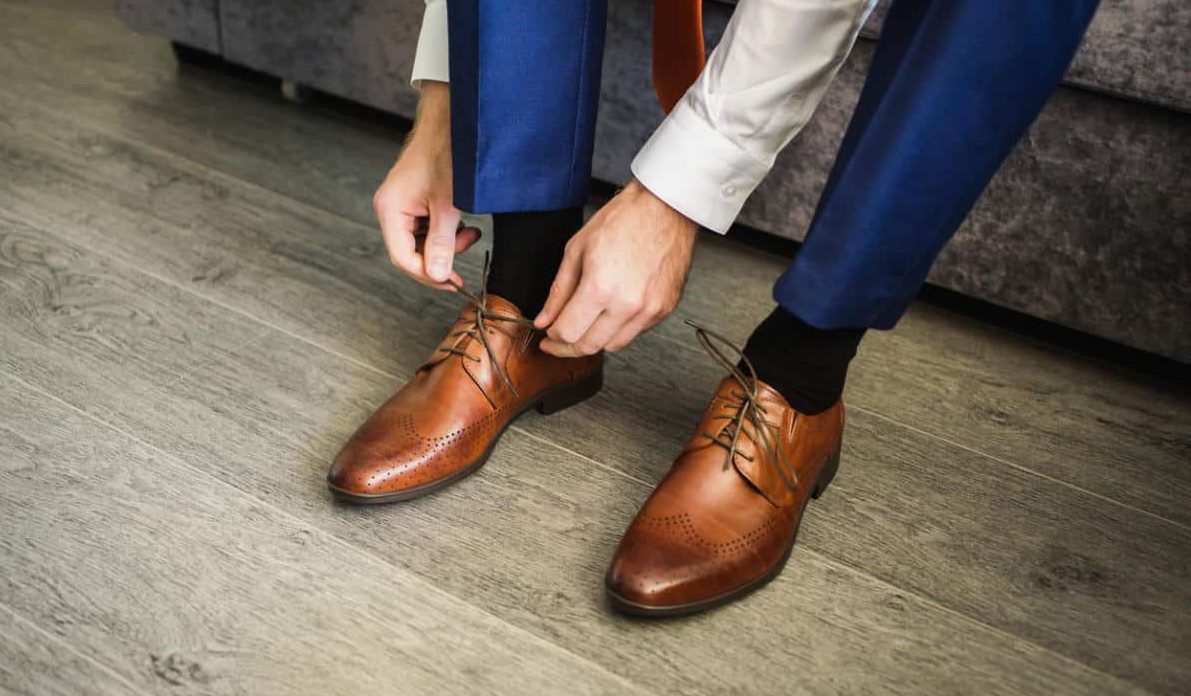
The Stylish Man’s Guide To Wide-Toe Shoes

Wide-toe shoes are a comfortable and stylish option for men who prioritize foot health and want to avoid the discomfort often associated with narrow-toe footwear. Here’s a guide to help stylish men incorporate wide-toe shoes into their wardrobe:

  1. Choose Quality Materials: Look for wide-toe shoes made from high-quality materials like leather, suede, or canvas. Quality materials not only enhance the durability of the shoes but also add a touch of sophistication to your look.
  2. Opt for Classic Styles: Wide-toe shoes are available in various styles, including dress shoes, boots, sneakers, and loafers. Opt for classic styles that complement your personal style and can be worn for different occasions.
  3. Focus on Fit: The most important aspect of wide-toe shoes is the fit. Ensure that the shoes provide enough room for your toes to move comfortably without feeling cramped. Look for brands that offer wide width options or consider getting custom-made shoes for a perfect fit.
  4. Experiment with Colors: Wide-toe shoes come in a variety of colors and finishes. Experiment with different colors like brown, black, navy, or gray to add versatility to your wardrobe. Neutral tones are versatile and can be paired with a wide range of outfits.
  5. Pair with Tailored Clothing: Wide-toe shoes can be dressed up or down depending on the occasion. Pair them with tailored clothing like suits, chinos, or dress trousers for a polished and sophisticated look.
  6. Casual Styling: For a more casual look, pair wide-toe shoes with denim jeans, khakis, or shorts. Add a casual shirt or polo for a relaxed yet stylish outfit.
  7. Consider Shoe Accessories: Elevate your wide-toe shoes with accessories like colorful laces, shoe buckles, or stylish socks. These small details can add a personalized touch to your footwear.
  8. Proper Care and Maintenance: Keep your wide-toe shoes looking their best by properly caring for them. Regularly clean and polish leather shoes, brush suede shoes, and protect them from water and dirt to prolong their lifespan.
  9. Invest in Comfort: Look for wide-toe shoes with cushioned insoles, arch support, and adequate padding to ensure all-day comfort. Comfortable shoes not only look good but also support foot health in the long run.
  10. Confidence is Key: Regardless of the style of wide-toe shoes you choose, wear them with confidence. Confidence is the ultimate accessory that complements any outfit and makes a stylish statement.

By following these tips, stylish men can incorporate wide-toe shoes into their wardrobe seamlessly, combining comfort and style for a polished look.

25 Timeless Habits Of Stylish Men


Developing timeless habits of style goes beyond following fleeting trends. Here are 25 habits that stylish men have cultivated over time:

  1. Know Thyself: Understand your body type, personal style preferences, and what makes you feel confident.
  2. Invest in Quality Basics: Build a wardrobe foundation with high-quality essentials like well-fitted jeans, white shirts, and versatile outerwear.
  3. Tailoring Matters: Ensure your clothes fit well by investing in tailoring or purchasing made-to-measure garments.
  4. Embrace Versatility: Opt for versatile pieces that can be mixed and matched to create various outfits.
  5. Pay Attention to Details: Small details like cufflinks, pocket squares, and well-groomed accessories can elevate your look.
  6. Keep It Simple: Less is often more. Aim for simplicity and avoid over-accessorizing.
  7. Know the Dress Code: Understand appropriate attire for different occasions and dress accordingly.
  8. Invest in Timeless Pieces: Prioritize classic, timeless pieces over trendy items that may quickly go out of style.
  9. Grooming Matters: Maintain a well-groomed appearance with regular haircuts, skincare, and grooming routines.
  10. Confidence is Key: Wear your clothes with confidence and carry yourself with poise.
  11. Understand Color: Learn how to incorporate color into your wardrobe effectively and understand which colors complement your skin tone.
  12. Experiment with Texture: Mix and match different textures to add depth and visual interest to your outfits.
  13. Pay Attention to Fit: Ensure that every piece of clothing fits well, from shirts and pants to jackets and shoes.
  14. Invest in Tailored Suits: Every man should own at least one well-tailored suit that fits him perfectly.
  15. Quality Footwear: Invest in high-quality shoes that are comfortable, stylish, and appropriate for various occasions.
  16. Layering: Master the art of layering to create depth and dimension in your outfits.
  17. Keep it Timeless: Stick to timeless styles and silhouettes that transcend trends and remain stylish year after year.
  18. Accessorize Wisely: Choose accessories that complement your outfit without overpowering it.
  19. Know When to Splurge: Invest in key wardrobe pieces like a quality leather jacket, watch, or tailored suit.
  20. Know When to Save: Save on trendier items that may go out of style quickly, like graphic tees or statement pieces.
  21. Maintain Your Wardrobe: Regularly clean, mend, and organize your wardrobe to keep it looking fresh and well-maintained.
  22. Be Consistent: Develop a signature style that reflects your personality and stick to it.
  23. Stay Updated: Keep up with fashion trends and adapt them to suit your personal style sensibilities.
  24. Dress for the Occasion: Dress appropriately for the occasion, whether it’s a casual outing, formal event, or business meeting.
  25. Be Authentic: Above all, be true to yourself and wear clothes that make you feel comfortable, confident, and authentic.

By cultivating these timeless habits of style, you can develop a personal style that is both timeless and effortlessly chic.

How Do Electric Bikes Work?

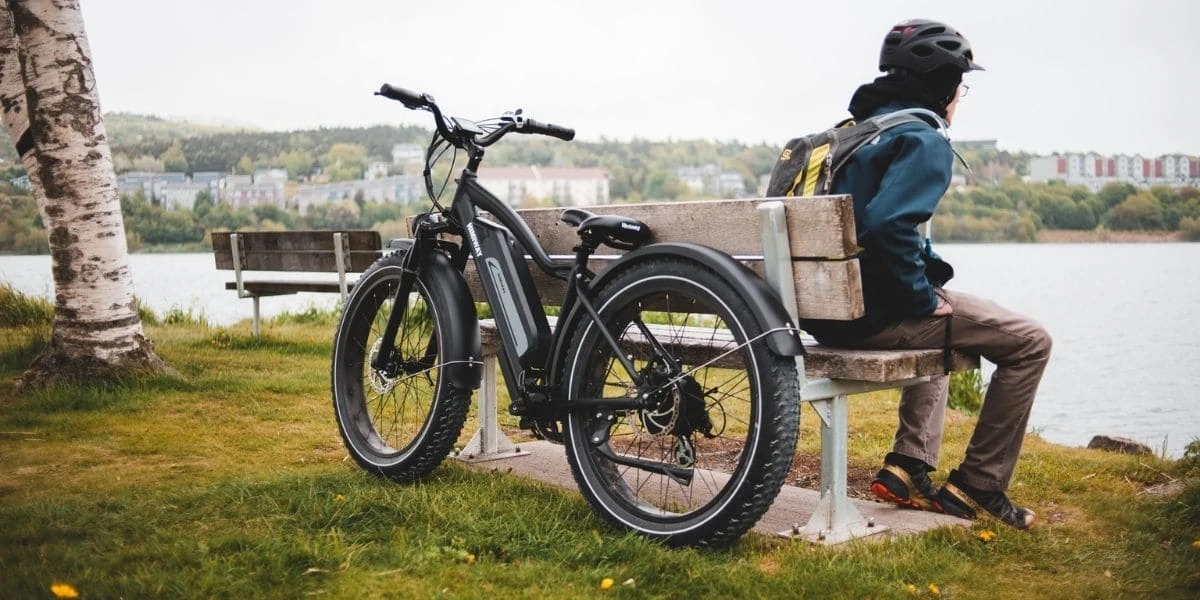
Electric bikes, or e-bikes, work by combining the traditional mechanics of a bicycle with an electric motor and a battery. The electric motor provides assistance to the rider’s pedaling efforts, making cycling easier and more accessible. Here’s a basic overview of how electric bikes work:

  1. Frame and Pedals:
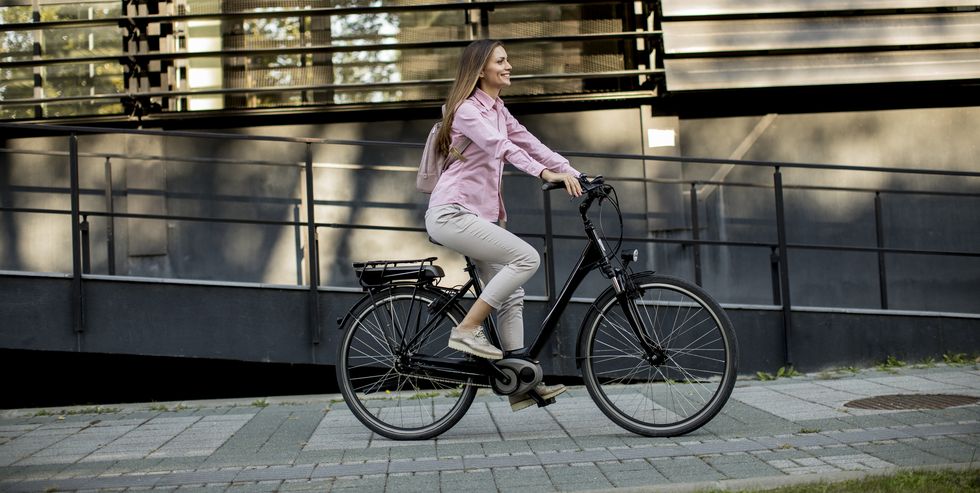
    • An electric bike typically has a frame similar to that of a traditional bicycle. It includes components such as pedals, a chain, gears, and a drivetrain, allowing the rider to pedal and propel the bike forward manually.
  2. Electric Motor:
    • The electric motor is a key component of an e-bike. There are two main types of electric bike motors: hub motors and mid-drive motors.
      • Hub Motors: These motors are located in either the front or rear wheel hub. They provide direct assistance to the wheel, turning it and propelling the bike forward.
      • Mid-Drive Motors: Positioned near the bike’s bottom bracket (where the pedal cranks are attached), mid-drive motors directly assist the bike’s drivetrain, providing power to the chain and gears.
  3. Battery:
    • The battery is the energy source for the electric motor. It is usually mounted on the frame, often in a location such as the downtube, rear rack, or integrated into the bike’s design. E-bike batteries are rechargeable and can be removed for charging or charged while still attached to the bike.
  4. Controller:
    • The controller is an electronic component that manages the flow of electric power from the battery to the motor. It interprets signals from the rider (such as pedal-assist level or throttle input) and adjusts the motor’s power output accordingly.
  5. Pedal-Assist System:
    • Most e-bikes feature a pedal-assist system (PAS) that detects when the rider is pedaling and provides assistance based on the selected power level. PAS systems are designed to amplify the rider’s efforts, making it easier to pedal and providing varying levels of assistance.
  6. Throttle (Optional):
    • Some e-bikes come equipped with a throttle, allowing the rider to control the motor’s power directly without pedaling. Throttles are typically found on e-bikes designed for cruising or those with a more scooter-like setup.
  7. Display Panel:
    • E-bikes often have a display panel on the handlebars that shows information such as speed, battery level, power mode, and distance traveled. Riders can use the display to adjust settings and monitor the bike’s performance.
  8. Regenerative Braking (Optional):
    • Some e-bikes feature regenerative braking, where the motor acts as a generator during braking or descending hills. This generates electricity and returns some energy to the battery, potentially extending the bike’s range.

Overall, electric bikes work by seamlessly integrating electric power with traditional pedaling, providing riders with the flexibility to choose between manual pedaling, pedal-assisted riding, or using the electric motor alone. The combination of human power and electric assistance makes e-bikes a versatile and environmentally friendly mode of transportation.

Are Electric Scooters Easy to Ride? Exploring the Effortless Experience

Yes, electric scooters are generally considered easy to ride, and many people find them to be an effortless and enjoyable mode of transportation. Here are several reasons why electric scooters are often perceived as easy to ride:

  1. Intuitive Controls:
    • Electric scooters typically have simple and intuitive controls. Acceleration and braking are often controlled using handgrips or thumb levers, making it easy for riders to quickly grasp the basics.
  2. No Gear Shifting:
    • Unlike some traditional motorcycles, electric scooters usually do not require gear shifting. The lack of gears simplifies the riding experience, especially for those who may be new to motorized two-wheelers.
  3. Lightweight and Maneuverable:
    • Electric scooters are generally lightweight and easy to maneuver. This makes them agile in urban environments, allowing riders to navigate through traffic and tight spaces with ease.
  4. No Manual Balancing Required:
    • Electric scooters are designed to be stable and do not require riders to balance manually, as they have a platform for standing. This can be advantageous for those who may be less confident in maintaining balance on a traditional bicycle.
  5. Instant Torque:
    • Electric scooters provide instant torque when accelerating, which can make them feel responsive and easy to control. Riders can quickly adapt to the acceleration characteristics of electric scooters.
  6. Low Learning Curve:
    • Learning to ride an electric scooter is often straightforward. Many people can become comfortable with the controls and operation after just a short period of practice.
  7. No Exhaustive Physical Effort:
    • Unlike bicycles, electric scooters do not require riders to pedal. The electric motor provides propulsion, reducing the physical effort needed to move the vehicle. This makes electric scooters accessible to a broader range of individuals, including those who may have physical limitations.
  8. Silent Operation:
    • Electric scooters are known for their quiet and smooth operation. The absence of a loud engine noise can contribute to a more relaxed and comfortable riding experience.
  9. Eco-Friendly Operation:
    • Electric scooters produce zero emissions during operation. This eco-friendly aspect, combined with their ease of use, makes them an appealing choice for environmentally conscious riders.

It’s important for new riders to familiarize themselves with local regulations, wear appropriate safety gear, and practice responsible riding. Additionally, some areas may have specific rules and licensing requirements for electric scooters, so riders should be aware of and adhere to these regulations. Overall, the ease of use and convenience make electric scooters a popular choice for short-distance urban commuting and recreational rides

Expert’s Guide to Buying an Electric Bike

Buying an electric bike (e-bike) can be an exciting and practical decision for many individuals. To make an informed purchase, consider the following expert’s guide:

  1. Define Your Purpose:
    • Determine the primary purpose of your e-bike. Are you using it for commuting, off-road adventures, leisurely rides, or a combination of these? Different e-bike models are designed for various purposes, so identifying your main use will guide your selection.
  2. Understand E-Bike Types:
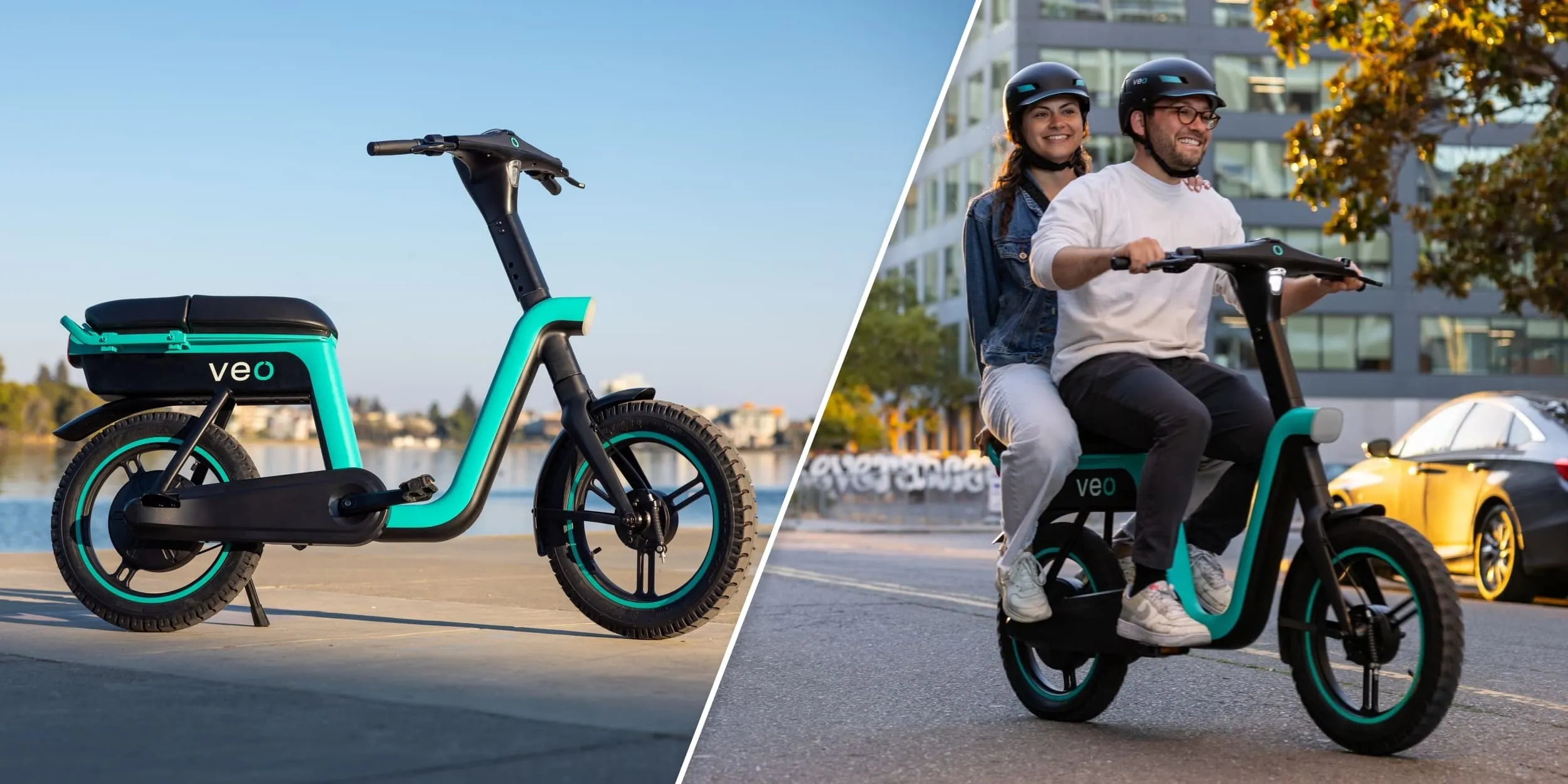
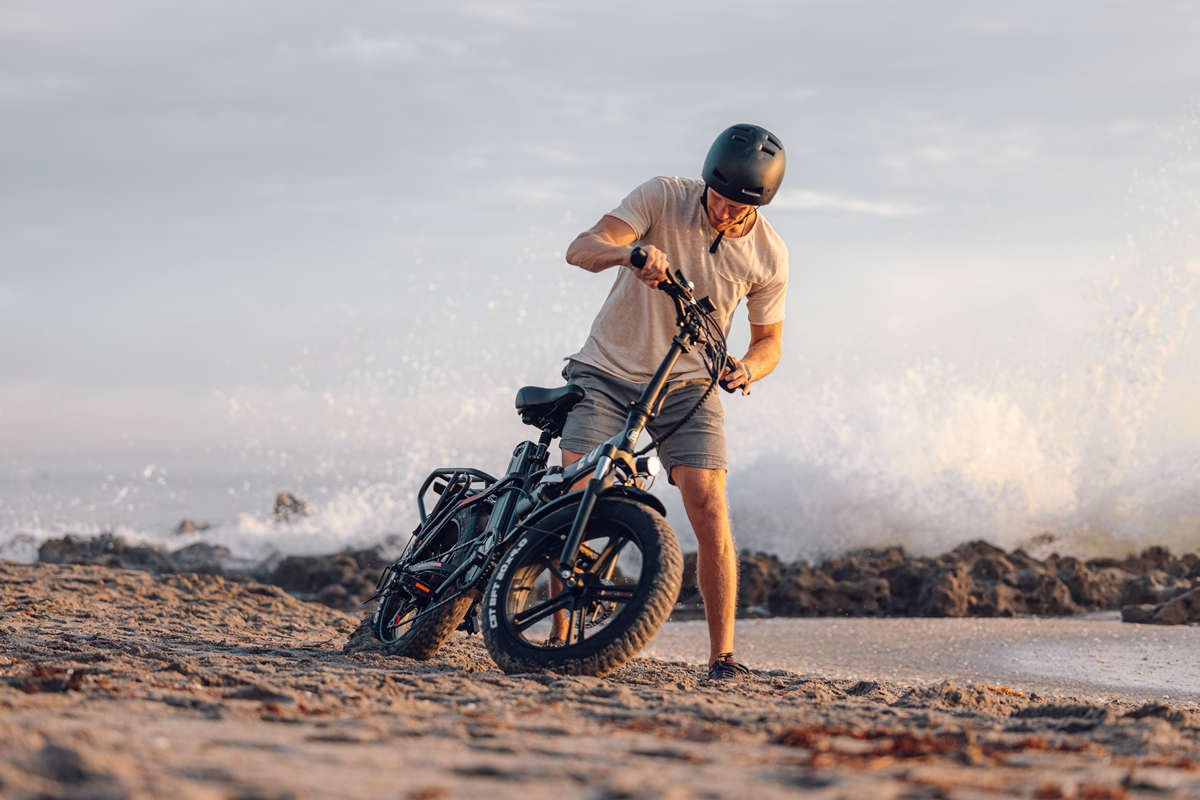
    • E-bikes come in various types, including city bikes, mountain bikes, folding bikes, and cargo bikes. Each type has specific features suited for different environments and uses. Choose a type that aligns with your needs.
  3. Motor Placement:
    • E-bikes have motors placed in different locations: in the hub of the front or rear wheel or in the bike’s midsection (mid-drive). Hub motors are often quieter and simpler, while mid-drive motors provide better weight distribution and are suitable for more challenging terrains.
  4. Battery Capacity:
    • Consider the battery capacity, typically measured in watt-hours (Wh). Higher watt-hours generally mean longer range, but the actual range depends on various factors, including terrain, rider weight, and assistance level. Choose a battery capacity that suits your typical riding distances.
  5. Assist Levels and Controls:
    • E-bikes offer different levels of assistance, usually adjustable through a control unit on the handlebars. Some e-bikes also offer a throttle for additional power without pedaling. Test different assist levels to find what suits your preferences.
  6. Range:
    • The range of an e-bike refers to the distance it can travel on a single charge. Factors such as battery capacity, terrain, rider weight, and riding conditions affect the range. Consider your typical riding distances and choose a bike with a range that meets your needs.
  7. Frame Size and Fit:
    • Just like traditional bikes, e-bikes come in different frame sizes. Ensuring the bike fits your body size and riding preferences is crucial for comfort and control. Test ride different models and sizes to find the best fit.
  8. Weight:
    • E-bikes can be heavier than traditional bikes due to the added weight of the motor and battery. Consider the weight if you need to lift or transport the bike regularly. Some e-bikes have a removable battery to make lifting easier.
  9. Braking System:
    • Invest in an e-bike with a reliable braking system. Hydraulic disc brakes are commonly preferred for their consistent performance and responsiveness. Ensure the brakes can handle the additional speed and weight of an e-bike.
  10. Brand Reputation and Reviews:
    • Research the reputation of the e-bike brand and model you’re interested in. Read reviews from other users and consider feedback on factors like reliability, customer support, and overall satisfaction.
  11. Legal Regulations:
    • Be aware of local regulations regarding e-bikes. Different regions may have specific rules regarding speed limits, power output, and where e-bikes can be ridden. Ensure your chosen e-bike complies with local laws.
  12. Warranty and Support:
    • Check the warranty offered by the manufacturer, especially for the motor and battery. Also, consider the availability of customer support and service centers in your area.

By carefully considering these factors and doing thorough research, you can select an e-bike that aligns with your preferences, needs, and budget. Don’t hesitate to test ride multiple models to get a feel for different features and styles before making a final decision.

Pre-Wedding Skin Care: 6 Effortless Tips for Flawless Skin on Your Special Day

Preparing your skin for your wedding day is an essential part of your beauty routine. Here are six effortless tips for flawless skin leading up to your special day:

  1. Start Early:
    • Begin your pre-wedding skincare routine well in advance, preferably several months before the wedding. This allows your skin time to adjust to any new products and address specific concerns.
  2. Consistent Cleansing:
    • Establish a consistent cleansing routine to remove makeup, dirt, and impurities. Use a gentle cleanser suitable for your skin type, and avoid harsh products that can strip your skin of its natural oils.
  3. Hydration is Key:
    • Keep your skin well-hydrated by drinking plenty of water throughout the day. Hydration is crucial for maintaining skin elasticity and a healthy complexion. Consider incorporating a good moisturizer into your daily routine, especially if you have dry or combination skin.
  4. Protect with Sunscreen:
    • Apply a broad-spectrum sunscreen with at least SPF 30 every morning, even on cloudy days. Sun protection is vital to prevent sun damage, premature aging, and hyperpigmentation. Make sunscreen a non-negotiable part of your daily skincare routine.
  5. Exfoliate Regularly:
    • Exfoliation helps remove dead skin cells, allowing for better absorption of skincare products and promoting a radiant complexion. However, avoid over-exfoliating, as this can lead to irritation. 1-2 times a week is typically sufficient.
  6. Address Specific Concerns:
    • Identify any specific skin concerns you want to address, such as acne, dark spots, or fine lines. Consider consulting with a dermatologist or skincare professional for personalized recommendations and treatments tailored to your skin’s needs.

Additionally, remember to get enough sleep, manage stress, and maintain a healthy diet. These lifestyle factors can significantly impact your skin’s appearance.

If you plan to incorporate new skincare products into your routine, do a patch test first to ensure you don’t have any adverse reactions. Avoid experimenting with new products too close to the wedding day to prevent potential skin issues.

Lastly, consider scheduling a professional facial a week or two before the wedding for a deeper cleanse and hydration boost. However, if you’ve never had a particular treatment before, it’s advisable to test it well in advance to avoid any adverse reactions.

By following these tips and maintaining a consistent skincare routine, you can achieve a radiant and flawless complexion for your wedding day.

Difference Between Electric Bikes And Electric Scooters

Electric bikes (e-bikes) and electric scooters are both forms of electrically assisted personal transportation, but they differ in design, functionality, and how the rider interacts with the vehicle. Here are some key differences between electric bikes and electric scooters:

  1. Design and Frame:
    • Electric Bikes (E-Bikes): E-bikes typically resemble traditional bicycles, with a frame, pedals, and often a front or rear hub motor or a mid-drive motor. They are designed to be pedaled, and the electric motor provides assistance to the rider’s pedaling efforts.
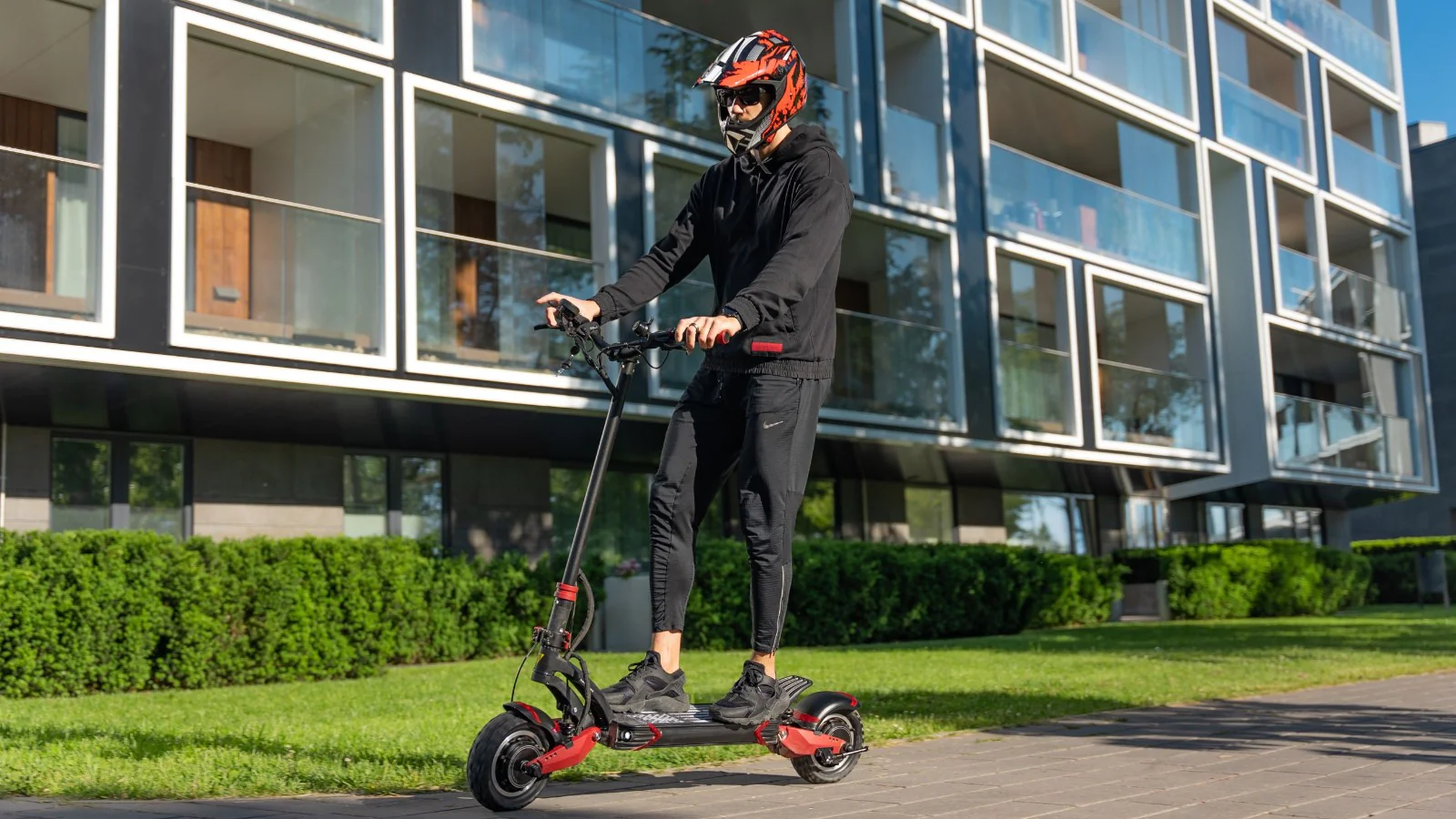
    • Electric Scooters: Electric scooters are compact, lightweight, and usually have a step-through design. They have a platform for the rider to stand on and handlebars for steering. Scooters may have an integrated or external electric motor, and they are generally not designed for pedaling.
  2. Pedal Assistance:
    • E-Bikes: E-bikes are designed to be pedaled, and the electric motor provides assistance to the rider’s pedaling efforts. The level of assistance can often be adjusted, and some e-bikes allow the rider to choose between pedal-only, electric-only, or a combination of both.
    • Electric Scooters: Electric scooters are not designed for pedaling. The motor propels the scooter forward, and the rider controls speed and direction using handlebar controls.
  3. Seating:
    • E-Bikes: Many e-bikes come with a traditional bicycle seat, and riders can choose between models with a standard saddle or a more comfortable, ergonomic seat.
    • Electric Scooters: Electric scooters typically do not have a traditional seat. Instead, the rider stands on a platform, holding onto handlebars for stability.
  4. Handlebar Controls:
    • E-Bikes: E-bikes often have handlebar-mounted controls to adjust the level of pedal assistance, control lights, and manage other functions. The rider typically controls speed primarily through pedaling.
    • Electric Scooters: Electric scooters have handlebar-mounted controls for acceleration, braking, and sometimes horn or lights. Riders control speed by twisting the handlebar grip or using a thumb lever.
  5. Regulations and Licensing:
    • E-Bikes: The regulations for e-bikes vary by country and region, but in many places, e-bikes with certain specifications (e.g., maximum power, speed limits) are treated similarly to traditional bicycles and may not require a license.
    • Electric Scooters: Regulations for electric scooters can vary widely. In some areas, electric scooters may be classified as electric bicycles, while in others, they may be subject to specific regulations, including licensing requirements.
  6. Use Cases:
    • E-Bikes: E-bikes are often used for commuting, recreational cycling, and longer rides. They are suitable for riders who want assistance with pedaling but still want to engage in physical activity.
    • Electric Scooters: Electric scooters are commonly used for short-distance urban commuting, particularly for the “last mile” of a journey. They are often favored for quick and convenient point-to-point travel in crowded city environments.

When choosing between an electric bike and an electric scooter, it’s essential to consider your specific transportation needs, comfort preferences, and local regulations. Both options offer eco-friendly alternatives to traditional transportation, and the choice depends on individual preferences and the intended use of the vehicle.

Do You Need A License To Drive An E-Bike?

The regulations regarding the need for a license to drive an e-bike vary significantly depending on the country, state, or region. It’s crucial to be aware of and comply with the local laws and regulations where you plan to ride an e-bike. Here are some general guidelines, but keep in mind that you should always check the specific rules in your location:

  1. United States:
    • In the United States, federal law defines e-bikes and classifies them into three categories (Class 1, Class 2, and Class 3). The regulations regarding licenses for e-bike riders are typically determined at the state level.
    • Many states do not require a driver’s license for Class 1 and Class 2 e-bikes (which have a maximum assisted speed of 20 mph). Class 3 e-bikes (with a maximum assisted speed of 28 mph) may have different requirements, and some states may require a driver’s license.
  2. Canada:
    • In Canada, the regulations regarding e-bikes are set by each province or territory. Generally, e-bikes are allowed without a license, but there may be age restrictions and specific rules regarding power and speed limits.
  3. European Union:
    • In the European Union, e-bike regulations are harmonized, but there may still be variations among member states. Generally, e-bikes with pedal assistance up to 25 km/h (15.5 mph) are not subject to licensing requirements. E-bikes with higher speeds may be subject to specific regulations.
  4. United Kingdom:
    • In the UK, e-bikes that meet certain criteria (e.g., maximum power output, pedal assistance limit) are considered electrically assisted pedal cycles (EAPCs) and do not require a license. However, e-bikes that exceed these criteria may be subject to motorcycle licensing requirements.
  5. Australia:
    • In Australia, the regulations regarding e-bikes vary by state and territory. In many cases, e-bikes with a maximum power output of 200 watts and pedal assistance are exempt from licensing requirements. However, higher-powered e-bikes may be subject to specific regulations.

Always check with local authorities, transportation departments, or relevant agencies to get accurate and up-to-date information on e-bike regulations in your specific area. Additionally, be aware that local laws may change, and it’s important to stay informed to ensure legal and safe e-bike usage.

X